“Are you running away from something?”
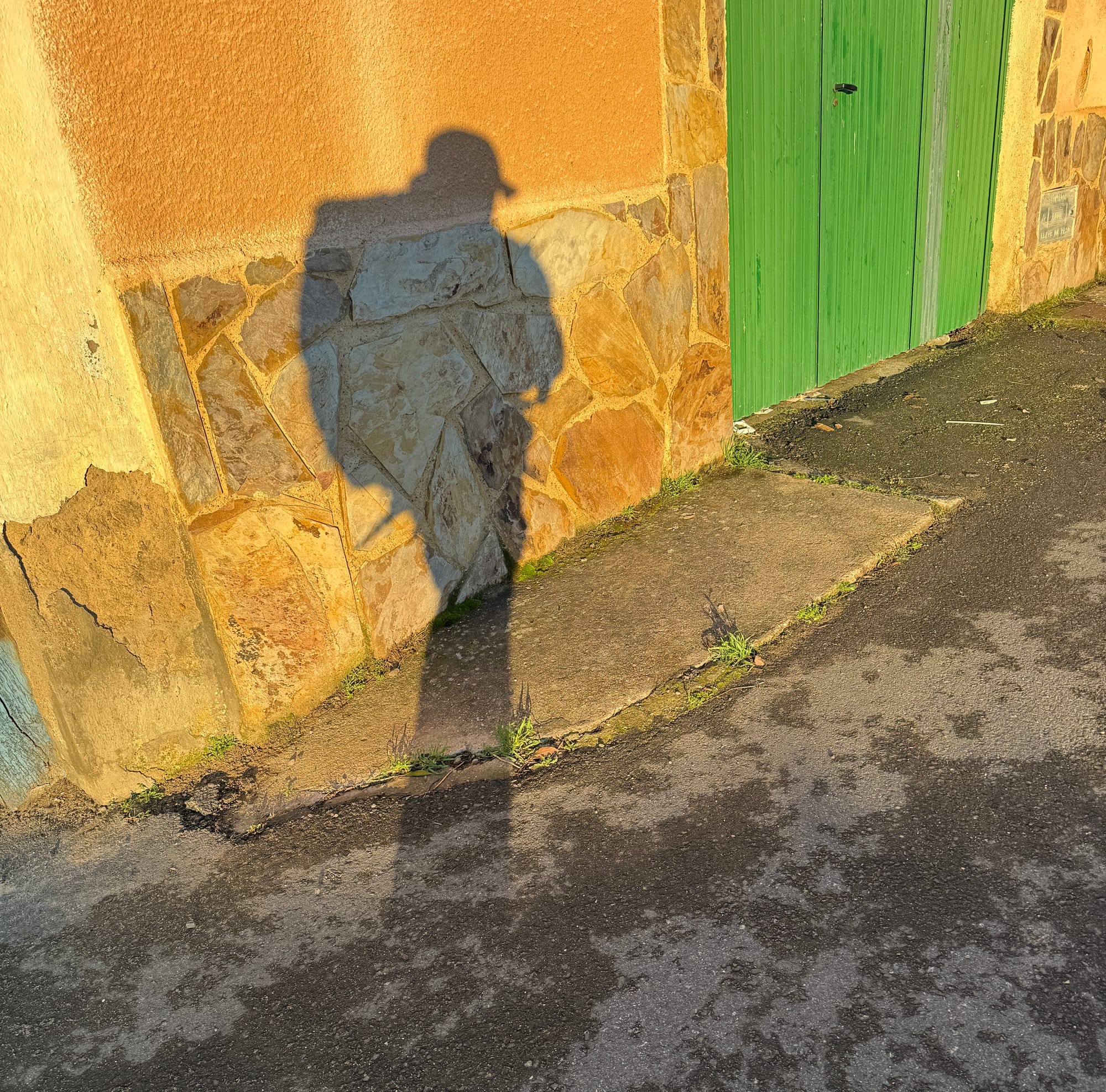
It was one of the questions people often asked me while I was walking across Europe.
But it was far from the only one.
“Aren’t you afraid of having a heart attack at your age?”
“You must be rich and single.”
“Is this a midlife crisis?”
“It must be wonderful being alone with your thoughts.”
“You’re so brave. I could never do that.”
“I wish I had done something like that before it was too late.”
“Are you healed?”
They were all looking at the same person, undertaking the same walk. Yet they were seeing completely different stories.
Some saw escape. Others saw danger, privilege, courage, regret or healing.
Their reactions made me realise that they were not responding only to my experience. The walk was triggering something in their own lives.
The assumption worth questioning
We tend to treat other people’s reactions as information about us.
If they worry, perhaps our choice is reckless.
If they disapprove, perhaps we are making a mistake.
If they admire us, perhaps we are doing something courageous.
This becomes particularly powerful when the reaction comes from someone close to us. We assume they know us well enough to see our situation clearly.
But knowing us does not remove their lens.
They still interpret our choices through their own experiences, fears, values and roads not taken.
The Perspective Shift
Other people’s reactions may reveal as much about their lives as they do about yours.
The person who sees danger may have built their life around avoiding uncertainty.
The person who sees escape may be wondering what they would like to leave behind.
The person who sees privilege may be thinking about the constraints they feel in their own life.
The person who calls you courageous may be confronting something they have not allowed themselves to attempt.
They may genuinely care about you.
They may also be describing themselves without realising it.
Look again
That does not mean dismissing every uncomfortable reaction as projection.
Someone else may notice a risk you have minimised, a contradiction you cannot see or a consequence you would prefer not to examine.
The question is not whether you should listen. It is what you should listen for.
Are they pointing to specific evidence about your situation?
Or are they imagining what your choice would mean if it were theirs?
One can improve your decision.
The other can quietly replace it with theirs.
A note from the road
The distance between Tallinn and Tarifa did not change according to what people thought the walk represented.
But the stories projected onto it changed constantly.
Escape. Crisis. Courage. Privilege. Healing.
I eventually understood that being misunderstood was not the greatest risk.
The greater risk was allowing someone else’s interpretation to become the reason I continued or stopped.
Walk your talk,
Franck
P.S.:
- Has someone else’s reaction ever made you question a choice that felt right to you? Reply and tell me. I read every response.
- If someone else needs this perspective, forward it to them. They can join WTFT here.
- WTFT is free for everyone. If you would like to support the experiments behind it, you can buy me a coffee.
New possibilities delivered to your mail
Free. Only when I have something worthy to share. Unsubscribe anytime.

Member discussion