The danger of becoming good at coping
We often imagine that difficult situations eventually force us to act.
But usually, only the truly unbearable ones do.
The tolerable ones can consume years.
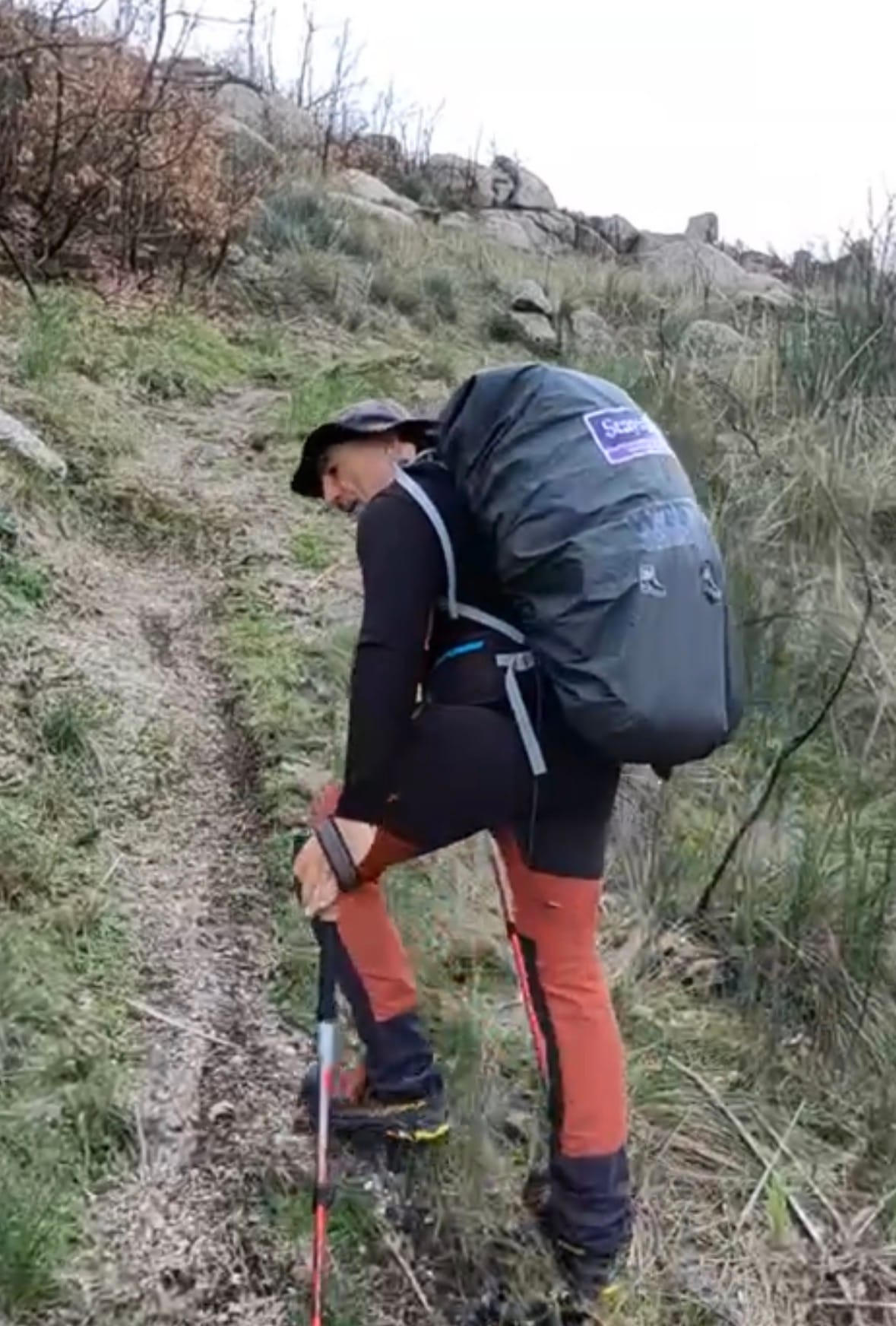
During my walk across Europe, coping became essential. I learned to continue through pain, fatigue, bad weather and uncertainty.
There, coping served me. Every difficult day moved me towards an objective I had consciously chosen.
But coping does not distinguish between a difficulty worth enduring and a situation that should be reconsidered.
It simply helps us continue.
The Perspective Shift
Some situations last not because they are right, but because we have become good at coping with them.
Coping makes today manageable.
That can be a strength.
It can also remove the urgency to question what we are continuing—and why.
This does not mean abandoning everything that becomes difficult.
Many worthwhile objectives, relationships and commitments require resilience.
The question is not only:
“Can I cope with this?”
But:
“What is coping allowing me to continue—and would I still choose it today?”
Walk your talk,
Franck
P.S.:
- What have you become unusually good at tolerating? Reply and tell me. I read every response.
- If you know someone who might find this perspective useful, forward the post to them. They can subscribe here.
- WTFT is free for everyone. If something I share gives you a useful perspective, a coffee helps me keep WTFT moving.
New possibilities delivered to your mail
Free. Only when I have something worthy to share. Unsubscribe anytime.

Member discussion