WTFT began long before the first step
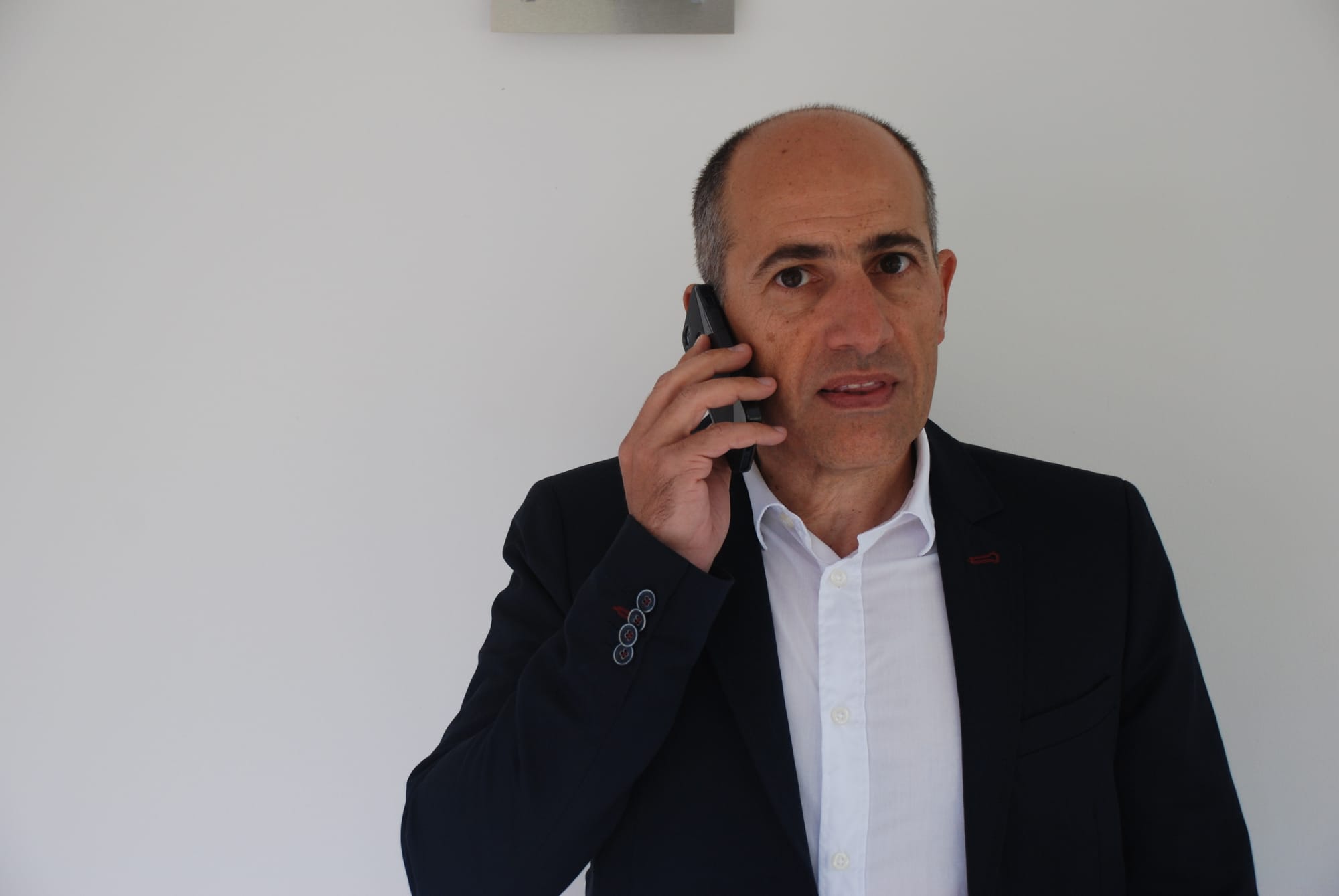
People often assume WTFT began when I started walking 6,000 kilometres across Europe.
It didn’t.
The walk made the experiment visible. But the questions behind it had been shaping my life for years.
- What makes a choice safe?
- When does persistence become avoidance?
- How much freedom are we willing to postpone?
- And how many of the limits governing our lives have we ever properly examined?
Long before I carried a backpack across Europe, I had begun testing those questions with my own career, money, family and future at stake.
The decision I postponed for years
I was a successful corporate executive.
I had stability, responsibility, achievements and respect. I was also travelling too much and missing time with my children.
I wanted a different life without jeopardising my family’s future.
For years, I hesitated.
The problem was not a lack of options. I had simply never examined the full decision equation:
- what staying would cost;
- what leaving would require;
- which uncertainties I was prepared to accept;
- which consequences I would regret more.
Once those costs became explicit, the decision did not become risk-free. But it became one I could own, even if it ended in failure.
I left corporate life and set myself the objective of making enough money within three years not to have to work again.
It took five.
I retired at 45.
The target was wrong. The direction was not.
One decision became several experiments
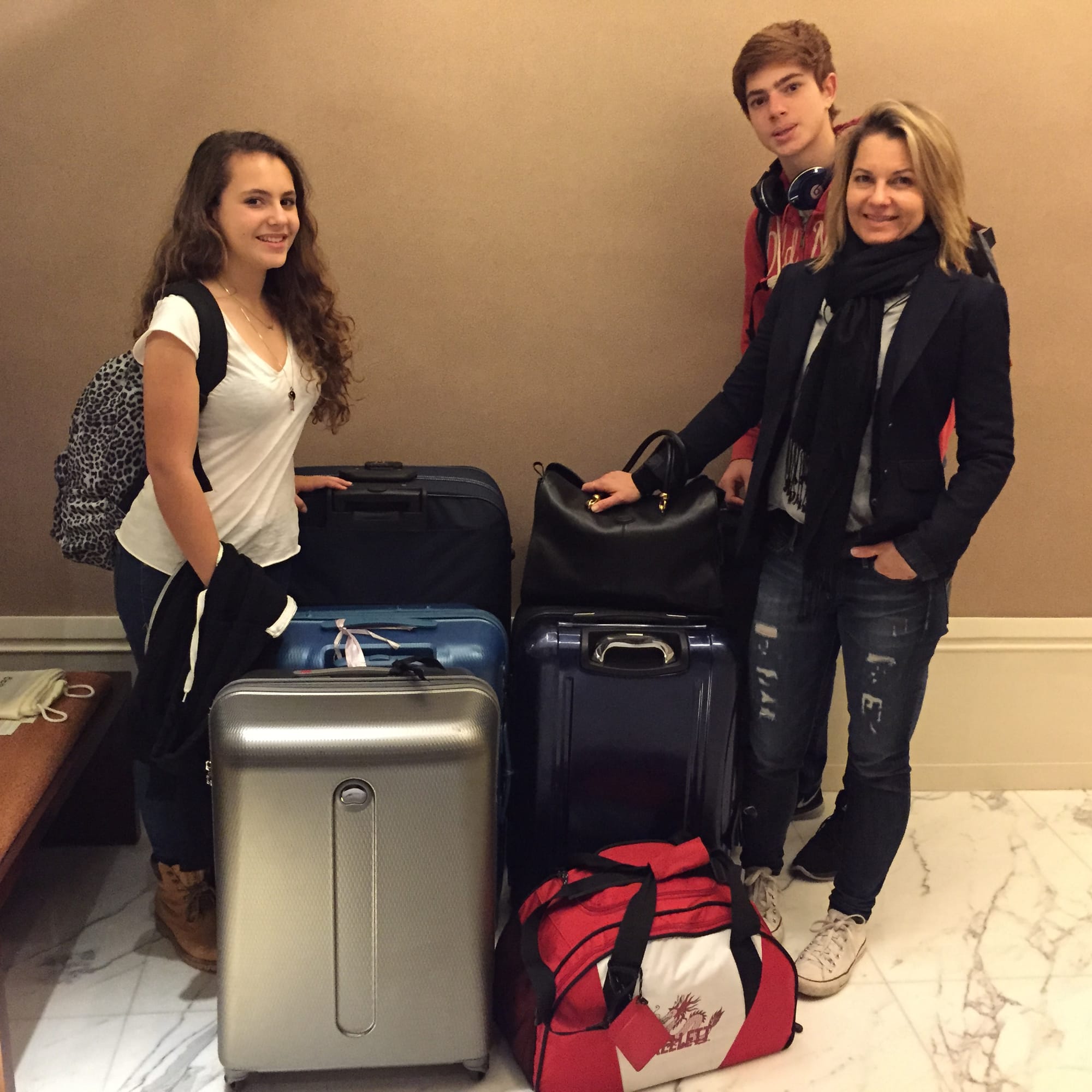
Leaving corporate life did not produce a finished answer. It opened a series of new questions.
- Could financial freedom be built deliberately rather than postponed until conventional retirement?
- Could I create and sell a company without the structure and status of corporate life?
- Could our family exchange a fixed definition of stability for a more nomadic life?
- Could my wife and children develop unconventional paths of their own, including creating successful work through social media?
None of these choices came with guarantees.
Each required an investment of time, money, identity or comfort. Each involved trade-offs that became visible only after the decision had been made.
Some choices worked as intended. Others took longer, cost more or produced something different from what I expected.
That distinction matters.
A successful outcome does not prove that the original decision was intelligent. A disappointing outcome does not necessarily make it foolish.
A decision can only be judged fairly by what was knowable at the time, the alternatives available and the costs we consciously agreed to bear.
That principle would later become central to WTFT.
The first walk
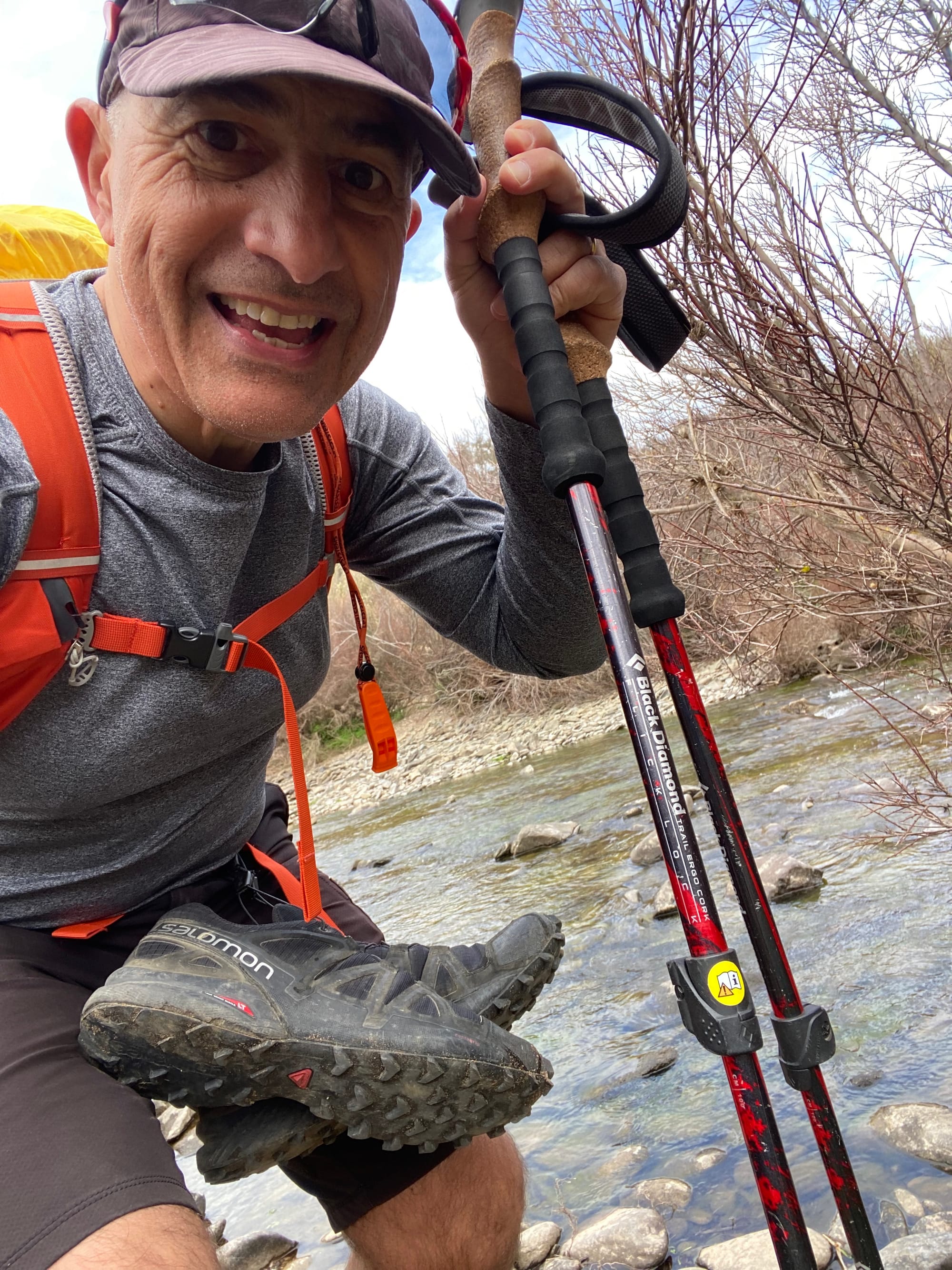
In 2023, I walked 308 kilometres alone across Portugal. It was my first solo hike ever, an anxious endeavour.
It was modest compared with what came later, but it changed how I thought about difficult undertakings.
Walking strips an ambition down to its essential components.
You need somewhere worth reaching.
You need to begin.
You need enough time.
You need the discipline to repeat an ordinary action.
You need resilience when reality disrupts the plan.
And you need luck... because effort influences an outcome but never controls it completely.
Those dimensions became part of my TEDx talk, The Logical Path to Financial Freedom.
But the walk revealed something else.
Ideas become more credible when you are willing to place yourself inside them.
It is easy to speak about action, resilience and uncertainty after the outcome is known.
It is different to expose the process while failure remains possible.
What connected these experiments
On the surface, the experiments had little in common.
One involved leaving a career.
Another involved building and selling a company.
Another changed how our family lived.
One required learning how to operate through social media.
Another involved walking alone across Portugal.
But each challenged an assumption I could easily have left unquestioned:
- A successful career should not be abandoned.
- Security comes from remaining where you are.
- Freedom must wait until retirement.
- A stable family needs a fixed home.
- Established adults cannot reinvent how they work.
- A difficult undertaking should begin only when success appears likely.
The purpose was never to prove that the opposite assumption was universally true.
Leaving is not always better than staying.
Nomadic life is not better than having a permanent home.
Entrepreneurship is not the right answer for everyone.
The useful question was different:
Was I making a conscious choice—or obeying a conclusion I had never properly examined?
Why WTFT became public
Most transformation stories are told backwards.
Once the outcome is known, uncertainty disappears. Mistakes become lessons. Luck becomes difficult to see. The years of hesitation are compressed into a decisive moment.
The resulting story may be inspiring, but it is rarely a faithful representation of what making the decision felt like.
That created a problem.
Could my own experience help someone needing some extra income or postponing an important change?
Or would it sound like another unrelatable story from someone whose success made the ending appear inevitable?
I wanted to test whether a new digital business could be created from scratch using the tools available today and to document what the process actually demanded.
Not only the strategy and results.
The uncertainty. The mistakes. The discipline. The time. The resilience. The luck. The costs nobody mentions once an experiment succeeds.
That became WTFT: Walk The F*cking Talk.
If I wanted to encourage other people to act, I could not remain behind a desk talking about it.
I had to put the ideas under pressure in the real world.
The experiment became a walk
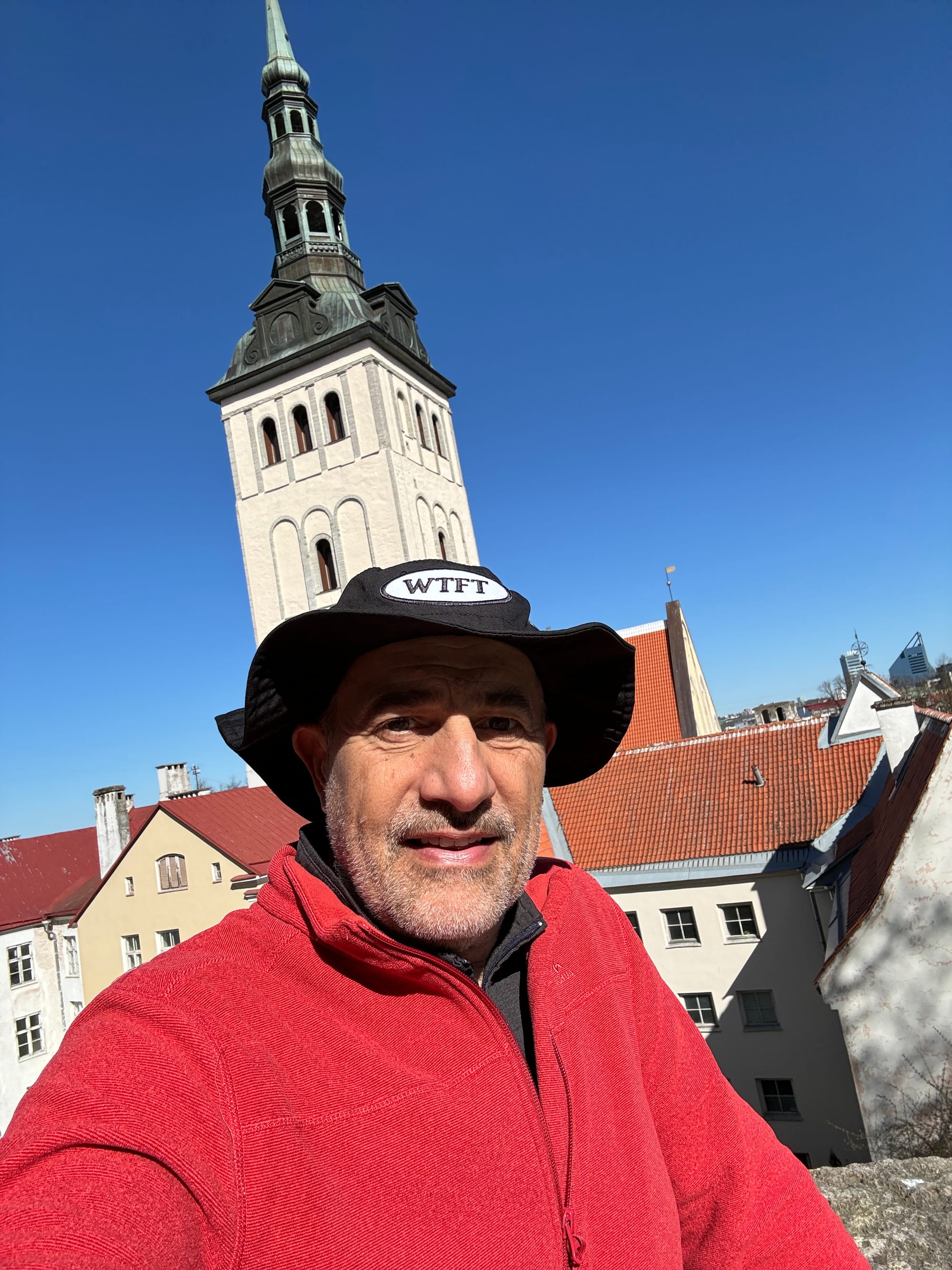
I decided to walk from Tallinn, Estonia, to Tarifa at the southern tip of Spain while building the business publicly.
Six thousand kilometres.
Eleven months.
Nine countries.
No support team.
The walk would make the hidden dimensions of any ambitious transformation impossible to edit out.
Progress would be slow.
Doubt would recur.
Plans would fail.
Resilience would be tested.
Luck would intervene.
And the final outcome would remain uncertain while people watched.
I thought I was testing how to build a digital business from scratch.
The road eventually showed me that the more fundamental experiment came earlier.
Before people transform their circumstances, they often need to question the assumptions and biases shaping what they believe is possible.
That realisation changed WTFT.
It did not invalidate the experiments that came before it. It explained what they had been testing all along.
What these experiments taught me
A different life rarely begins with one heroic decision.
It develops through a series of choices, each exposing an assumption that the previous one could not reveal.
- Leaving corporate life tested my understanding of security.
- Financial independence tested whether freedom could be deliberately built.
- Entrepreneurship tested the relationship between effort, timing and luck.
- Nomadic family life tested our assumptions about home and stability.
- Social media tested whether established identities could adapt to unfamiliar forms of work.
- Walking across Portugal tested whether ideas became more useful when lived publicly.
None supplied a formula for how someone else should live.
Together, they produced a way of looking at life:
Treat important assumptions as hypotheses, not verdicts.
- Put them under pressure.
- Observe what reality reveals.
- Revise your thinking when the evidence changes.
- And accept the real costs of the choices you make.
The first step was not the beginning
The 6,000-kilometre walk gave WTFT its public form.
But WTFT began much earlier: with a decision I postponed, a cost I had failed to examine and the discovery that what looked like security was also quietly taking something from me.
The experiments continue because the assumptions continue about work, money, age, health, relationships, freedom, and what remains possible in the life ahead.
The relevant question is not whether you should reproduce any of my choices.
It is this:
Which part of your life are you treating as inevitable when it may still be an experiment?
Walk your talk,
Franck
P.S.:
- Which assumption has shaped one of your biggest life decisions? Reply and tell me. I read every response.
- If someone else needs this perspective, forward it to them. They can join WTFT here.
- WTFT is free for everyone. If you would like to support the experiments behind it, you can leave a tip
New possibilities delivered to your mail
Free. Only when I have something worthy to share. Unsubscribe anytime.

Member discussion