What might Japan help us see differently?
Many of our assumptions are difficult to recognise at home.
Our routines work. We understand the language. We know how people generally behave and what is expected of us.
The familiar feels natural.
But what feels natural may simply be what we have stopped questioning.
In 2027, I plan to walk approximately 3,000 km from Cape Sata in southern Japan to Cape Soya in the north.
I want to place myself in unfamiliar situations where my usual assumptions may no longer work and see what those situations help me uncover.
Why Japan?
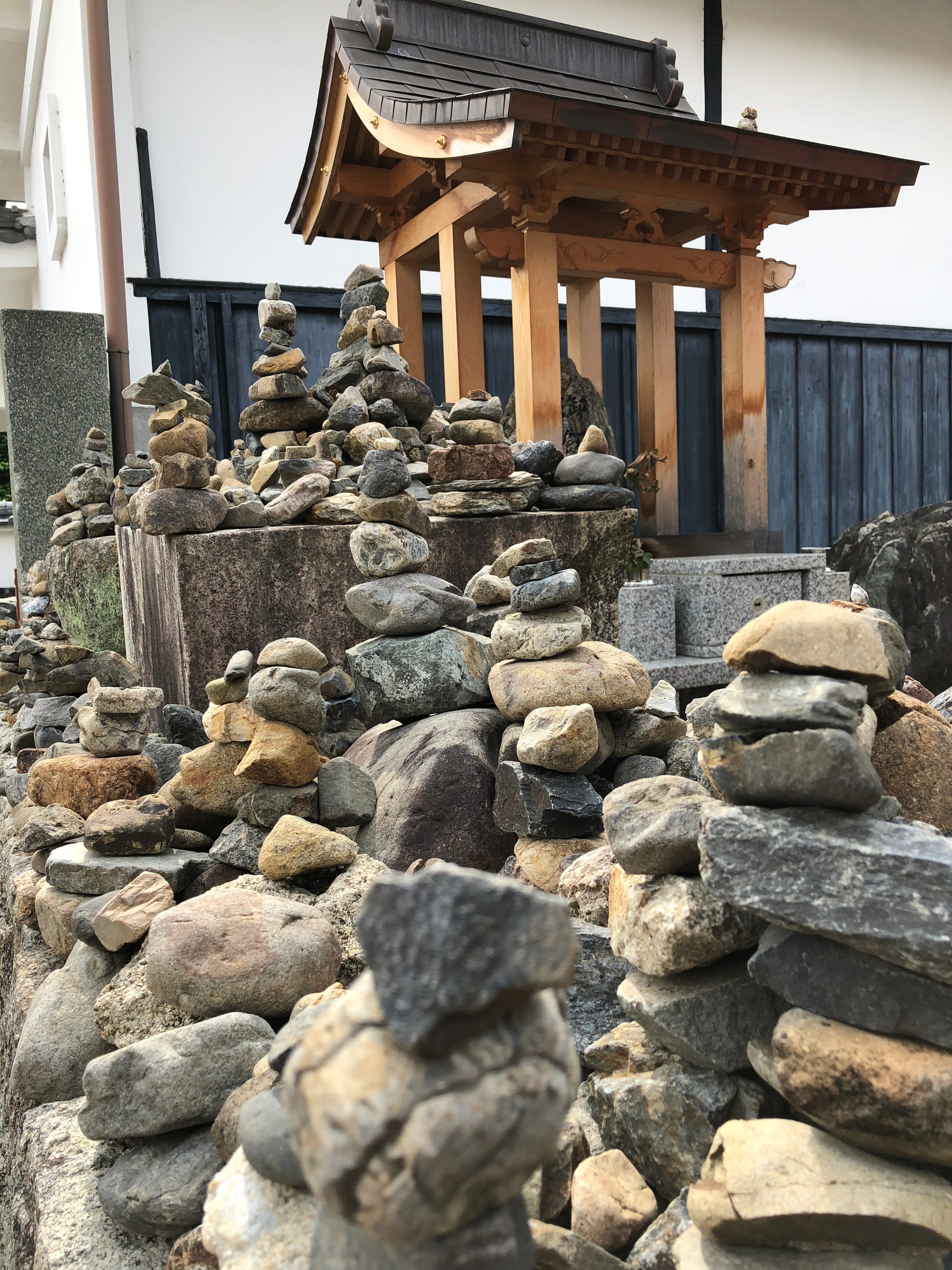
Japan will place me outside many of the systems I normally rely on.
It is not the only country where I could do this. I chose it because it fascinates me.
I want to experience its landscapes, food, language and culture at walking pace. I want to meet people, be surprised, get lost, learn, struggle and have fun. A certain discomfort is part of the plan.
When everything works as expected, our biases remain hidden. When reality refuses to behave as anticipated, we are forced to look again.
Japanese and Western perspectives on work, ageing, duty, individuality, community and fulfilment often differ.
I don't expect Japan to be the source of better answers. Nor am I going there to turn every cultural difference into a life lesson.
It is simply unfamiliar enough to challenge what I currently take for granted.
Why walk?
Walking increases the exposure.
It takes me beyond the places designed for visitors and into the ordinary distances between destinations.
It creates fatigue, repetition, uncertainty, dependence on other people and encounters I cannot schedule in advance.
It also removes some of my usual control.
I can plan the route, prepare my body and learn some Japanese. But I cannot predetermine what will happen or which moments will change how I think.
That is precisely the point.
The most useful personal discovery may come from a conversation, a misunderstanding, a difficult day or something so ordinary that I would have overlooked it at home.
What will I share?
First, I will share the adventure itself and how it makes my life richer and, I hope, more fulfilling.
That will naturally include travel stories, beautiful places, difficult days and plenty of enjoyable moments.
I will also share the moments when an experience changes how I see something or deepens my philosophy of life.
What did I take for granted?
What became visible?
Could that perspective be useful beyond Japan?
I will share what I discover from inside the experience.
You can decide what, if anything, applies to your own life without having to pay the same price to find out.
What would make the experiment successful?
Completing the crossing will matter.
But if the journey brings me joy, enriches my life and leaves me more fulfilled, it will already have great value.
If something I learn also helps someone else see their life differently, that value will extend beyond me.
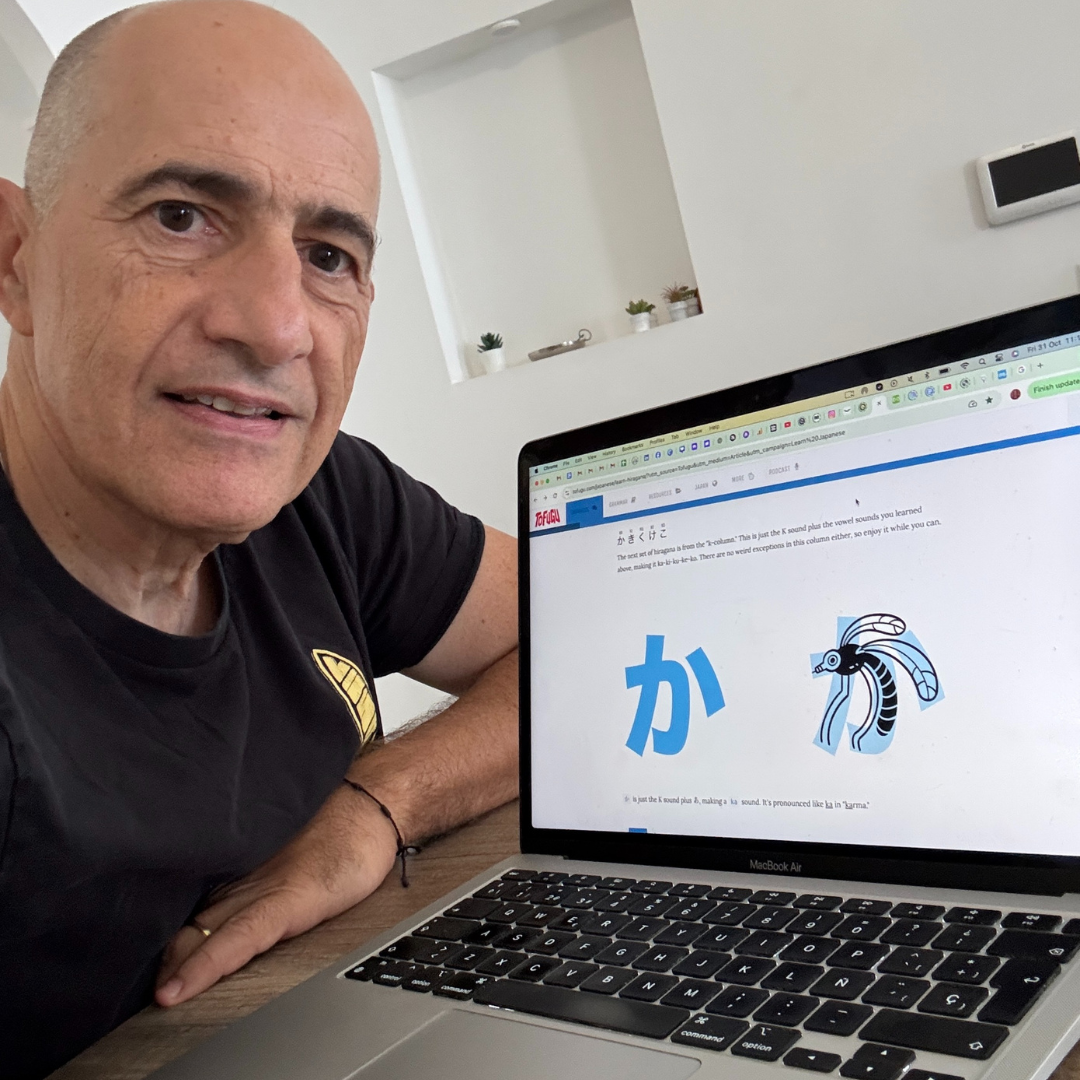
The preparation has begun. I am designing the route, learning Japanese and travelling to Fukuoka to move part of the planning from theory into practice.
You can follow that preparation in Why I’m going to Fukuoka before walking across Japan.
I do not know what Japan will help me see differently.
That is why I am going.
Walk your talk,
Franck
P.S.:
- When has an unfamiliar situation changed how you saw something familiar? Reply and tell me. I read every response.
- If you know someone who might find this experiment interesting, forward the post to them. They can follow the preparation and the walk here.
- WTFT is free for everyone. If something I share gives you a useful perspective, a coffee helps me keep WTFT moving.
New possibilities delivered to your mail
Free. Only when I have something worthy to share. Unsubscribe anytime.

Member discussion